For companies and institutions
The fleet charges itself.
Cards become history.
The car identifies itself when the cable goes in. Every kilowatt-hour lands on the right car and the right driver.
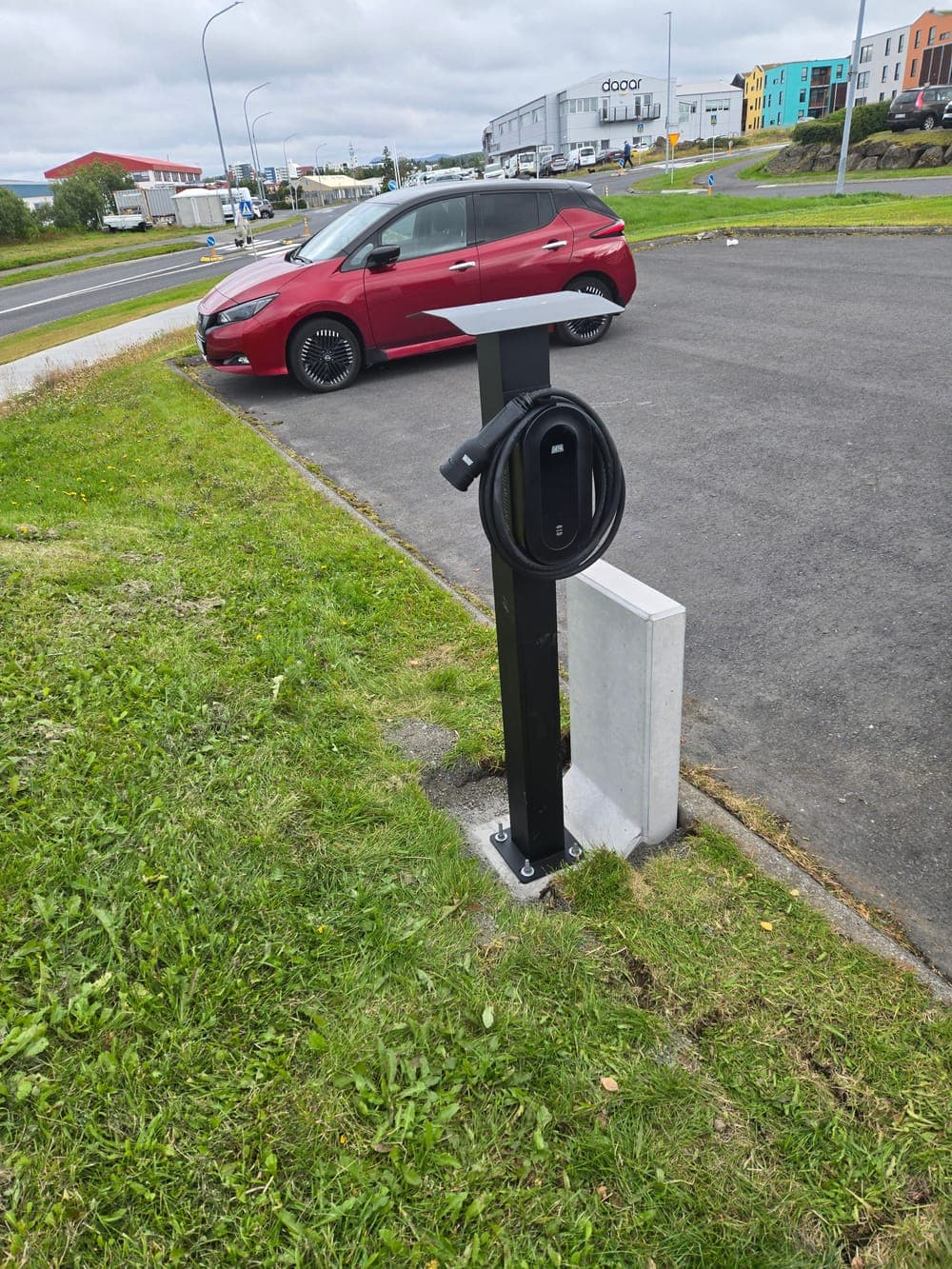
A company with many cars and many chargers ends up in the same place
A pile of charging cards in circulation, nobody knows any more who holds which one, and the electricity bill shows a single total. Autocharge fixes this at the root.
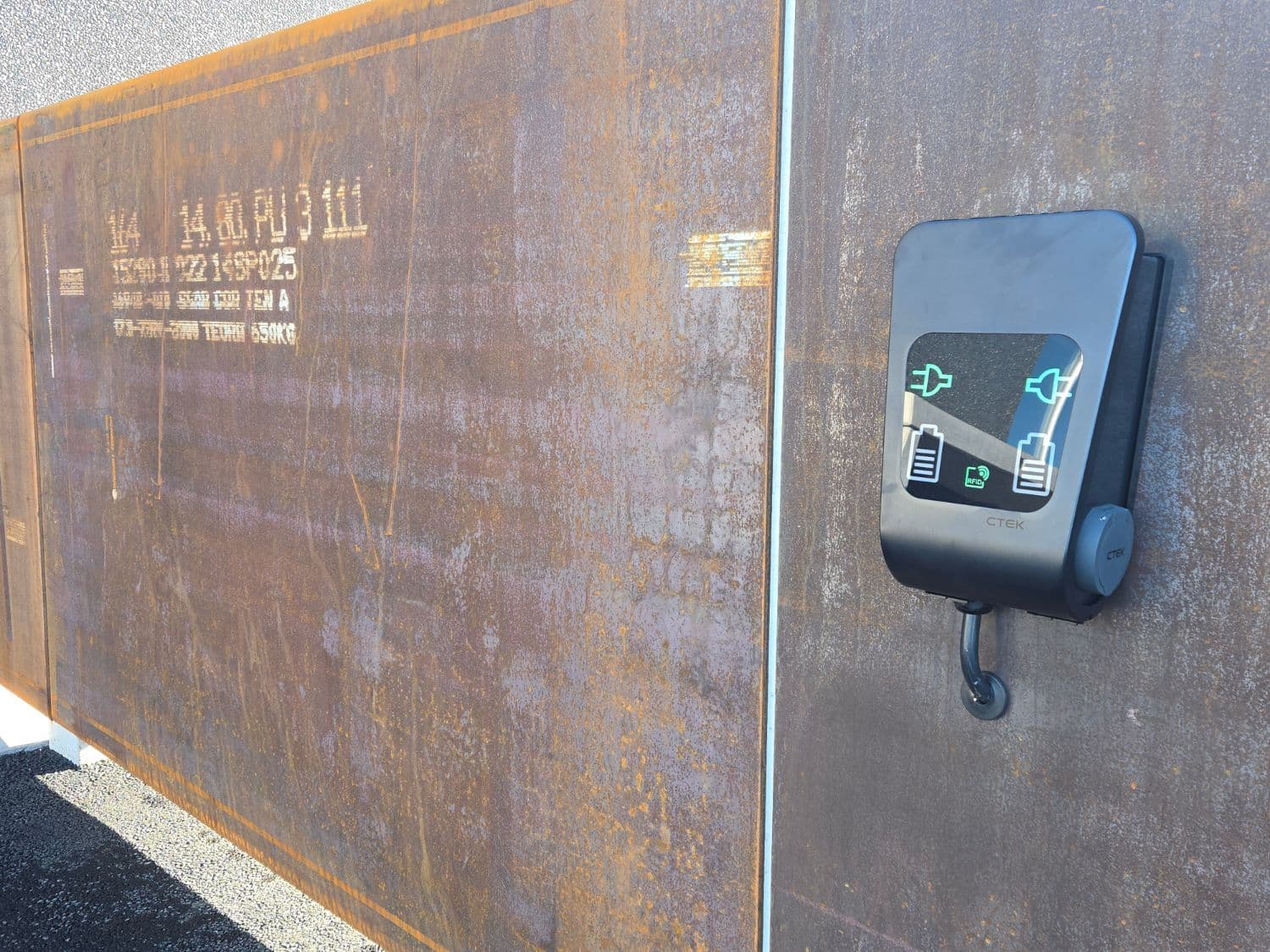
The admin disappears
Cards have to be ordered, handed out, registered, revoked when people leave and replaced when they go missing. A car is registered once. An unknown car that gets plugged in shows up in the system by itself and is registered with one click.
Misuse gets hard
A charging card can be lent, left in a jacket or cloned. The most common cards carry an unencrypted identifier an ordinary phone can read. The car is the car, and on a charger that requires identification an unknown car gets no charge.
The overview becomes real
Every charge is recorded against a car and a driver. A monthly report in Excel or PDF, broken down by vehicle. Managers see the chargers live, and Hladdu monitors them, gets alerted and responds if one drops offline.
For payroll, not only the drivers
When staff charge their own cars at work, the company sets a monthly cap on each employee's card. Payroll sees each card's monthly total and how much went over the cap, ready for the payslip. Nobody has to read meters or guess.
A made-up example, not a price list
Say the cap is 15,000 kr. a month.
An employee then charges 21,400 kr. worth. The company covers 15,000 kr. and payroll gets the card's monthly total: kilowatt-hours, the full amount and the 6,400 kr. over the cap. The cap, and whether there is one at all, is the company's own choice.
Round-the-clock shifts, chargers at several sites
The car that comes in at three in the morning gets its charge with nobody in the office. Contractors and visitors pay by card at the charger, and no fob goes into circulation unless you ask for one.
- Every site's chargers in one overview
- Hladdu monitors the chargers and responds if one is offline for more than half an hour
- Load balancing so the chargers share the power that is there
- Charging windows you set, for example outside peak hours
- Visitors pay by card at the charger, unused amount refunded
- Invoices and monthly reports straight into the books
What works, and what does not
Autocharge relies on an identity the car sends itself over the charging cable. Whether a car does so during ordinary charging depends on the make and the car's software, so we promise nothing up front: we test your fleet on a charger before anything is said.
A car that sends its identity
Registered once. After that the driver plugs in, charging starts and lands on the car, with no card and no app.
A car that does not
Simply gets an RFID fob and charges on the same charger. Both run side by side in one fleet; a mixed fleet is no problem at all.
Twenty minutes, on site or online
Send us the makes of your vehicles and we will tell you which charge automatically and which get a fob, and test whatever is uncertain on a charger. The system is in daily use at Icelandic companies today.